The Big Interview
-
The European Stability Mechanism was set up in 2012 as a backstop for euro area member states that were unable to access the capital markets during the eurozone sovereign debt crisis. GlobalCapital spoke to Siegfried Ruhl, the ESM’s head of funding and investor relations to see how the institution is once again looking to play a crucial role to support the bloc through its Pandemic Crisis Support credit lines and how this will be financed.
-
 Bertrand de Mazières is one of the best known and most respected figures in European debt capital markets. As director general of finance at the European Investment Bank (EIB), he oversees one of Europe’s most important bond issuers, a status not only due to the amount it issues each year, but also its role as a setter of standards and benchmarks for rest of the market — in good times and bad.
 -
Durreen Shahnaz is founder and chief executive of Impact Investment Exchange (IIX), which says it created the world's first social stock exchange. She tells GlobalCapital about how we can rebuild a better economy, with the help of capital markets, after coronavirus.
-
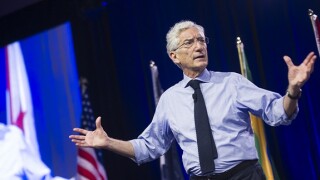
Sir Ronald Cohen, one of the UK’s foremost private equity entrepreneurs, believes the Covid-19 crisis is an opportunity to transform western capitalism into a socially responsible enterprise that values a company’s impact on society as much as its profits. Cohen talks to GlobalCapital about the tremendous challenges facing the global economy, and how it can be transformed for the better.
-
Fahmi Quadir, founder of short-only Safkhet Capital, tells GlobalCapital her hedge fund increased its short position in Wirecard as the crisis surrounding it unfolded. She said German regulator BaFin should have properly investigated the claims levelled at Wirecard years ago, and pointed to the problem of auditors developing long-term relationships with companies.
-
‘Angrynomics’, a well-timed book on anger and how it relates to politics, economics and finance by Eric Lonergan and Mark Blyth, is published this week. GlobalCapital spoke to Lonergan to discuss its meaning.
-
BBVA is expected to take advantage of recent changes to Pillar 2 requirements with a greater proportion of senior preferred issuance but it has a modest need for subordinated issuance. The Spanish national champion also plans to make use of its Targeted Longer-Term Refinancing Operation (TLTRO) allotment from the ECB, which has been substantially increased.
-
John Hempton, the Australian short seller and self-styled eccentric, believes fraudulent companies will soon become evident in the corporate rubble left by the coronavirus pandemic. Hempton, who has bet against 1,100 companies over the course of his career, explained how his hedge fund Bronte Capital goes about finding rotten eggs in business and finance.
-
Marcus John, founder and chief executive of Sports Capital Advisors, tells GlobalCapital to expect a wave of insolvencies in national sport leagues but, he believes, sports with global appeal should fare better after lockdowns ease. Whether TV rights, a key source of revenue for major leagues, will be impacted remains unclear.
-
Barclays was positively surprised at how quickly capital markets reopened and it wasted little time issuing senior and tier two deals while its treasury team were still working from home. The UK lender is likely to use the Bank of England's Term Funding for Small and Medium-sized Enterprises (TFSME) facility, which will lower its secured funding needs. The bank was well capitalised going into the crisis and has buttressed itself against the expected tide of credit impairments with a prudent level of provisioning.
-
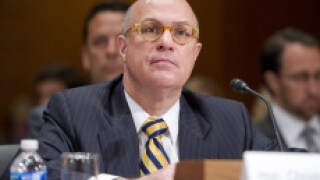
Chris Giancarlo was the 13th chairman of the Commodity Futures Trading Commission, the US’s top derivatives regulator, until last year. Before his five years at the helm of the CFTC he enjoyed a successful career on Wall Street, which included a 13-year stint as executive vice-president of GFI Group. Since leaving the commission he has focused on digital asset technology, in particular the development of a digital dollar. GlobalCapital caught up with Giancarlo to discuss regulation during the coronavirus crisis and the future of cryptocurrencies.
-
Nordea has made extensive use of Nordic currency covered bond markets through the coronavirus crisis and, as spreads have stabilised, has selectively issued senior preferred deals across a broad range of other FX. The bank says it has plenty of time to meet its regulatory funding needs and has no imminent plans to issue subordinated debt given the recent relaxation of capital requirements.